
Chinese New Year… the significance of red

Karen Haller
Gong hei fat choy! It’s Chinese New Year, and red is everywhere! But have you ever wondered why this bold, fiery colour dominates the celebrations?
Also known as the Spring Festival, Chinese New Year is one of the biggest and most important events in the Chinese calendar. And red (紅 hóng) isn’t just a festive choice, it’s deeply rooted in culture and tradition.
In China, red is associated with fire and energy and has long symbolised vitality, celebration, good fortune, luck, and prosperity.
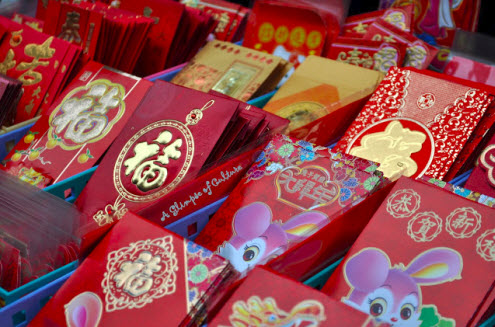
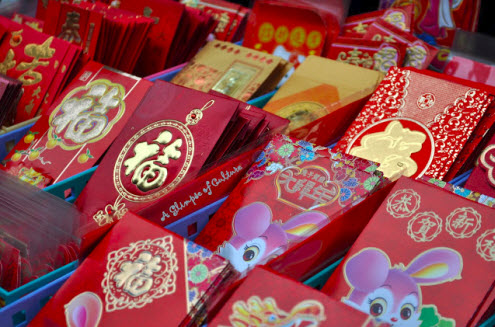
That’s why, during Lunar New Year, you’ll see it everywhere, from the vibrant red banners decorating homes to the little red envelopes (紅包 hóngbāo), filled with money and given as lucky gifts.

What is colour symbolism (colour in culture)?
Colour symbolism varies across cultures. What one society sees as lucky or sacred may have a completely different meaning elsewhere. These meanings are shaped by traditions, beliefs, and history, often passed down for generations.
In many cases, the original reasons behind these associations have faded into folklore, leaving only the symbolism behind. Yet, they remain deeply ingrained in cultural traditions, influencing how colours are perceived and used in different societies.
From religion and royalty to societal customs, assigning meaning to colour is one way we make sense of the world around us.
Something I often see is colour symbolism being mistaken for colour psychology.
This confusion happens because both involve colour and meaning, but they serve entirely different purposes.
So let’s clear that up while we’re here, because understanding this difference is key to using colour with intention.
While colour symbolism is rooted in cultural traditions and historical significance, colour psychology focuses on how colours influence emotions, behaviour, and perception on a psychological level.
This distinction is especially clear in cultural celebrations, where colour is more than just visual. It carries history and identity.
These traditions reinforce shared values, and certain colours, such as red in Chinese culture, become powerful symbols of prosperity, protection, or spirituality.
Designing with Red: Cultural Symbolism and Practical Considerations
Red is one of the most powerful colours in design, instantly grabbing attention – it’s the ‘look at me’ colour of the design world.
But beyond its visual impact, for some cultures, red carries deep cultural meanings that can shape how it’s perceived across different contexts.
Whether you’re working in branding, interiors, textiles, or product design, understanding the symbolism of red can help you make more informed, intentional choices.
Three key questions to consider when using red in design to ensure cultural significance is respected and effectively communicated:
- Are there any cultural traditions, historical associations, or societal beliefs around red that I need to be mindful of?
2. What symbolic meanings does red hold in my client’s culture, and how
might this impact their audience’s perception?
3. Is red being used in a way that aligns with my client’s cultural identity and
the message they want to communicate?
Understanding colour symbolism helps designers create work that is not only visually striking but also deeply rooted in cultural meaning. When used thoughtfully, red can reinforce tradition, communicate identity, and strengthen connections within a specific cultural context.
If you would like to find out more about the impact colour can have in your business and for your clients, download my free e-book The 10 Myths that Limit You using Colour Effectively.
Wishing you a prosperous 2025!
Karen
References:
Dispelling the confusion about colour symbolism
Ask a Chinese guy.blogspot.co.uk
Guardianlv.com
Taipei city daily photo.blogspot.co.uk
chroniclelive.co.uk
Originally written February 2nd, 2014. Updated January 31st, 2025.